Business Name: BeeHive Homes of Bosque Farms
Address: 1935 Bosque Farms Blvd, Bosque Farms, NM 87068
Phone: (505) 357-0505
BeeHive Homes of Bosque Farms
Beehive Homes of Bosque Farms assisted living care is ideal for those who value their independence but require help with some of the activities of daily living. Residents enjoy 24-hour support and caring assistance, private rooms and home-cooked meals. Assisted living should feel like home. Welcome home!
1935 Bosque Farms Blvd, Bosque Farms, NM 87068
Business Hours
Monday thru Sunday: 9:00am to 5:00pm
Facebook: https://www.facebook.com/BeehiveHomesBosqueFarms
For numerous families, the most challenging discussion they will have is not about cash or inheritance, however about where an aging parent will live safely, with dignity, when independent living is no longer practical. The decision does not take place in a vacuum. It grows slowly, through late night telephone call after a fall, missed out on medications, confusion on the phone, or next-door neighbor complaints about a stove left on again.
Over the last years, I have watched more and more families silently turn away from traditional large senior care neighborhoods and toward little home assisted living. These are frequently certified homes in routine neighborhoods, with 6 to ten locals, a handful of caretakers, and a kitchen that smells like someone is actually cooking, because they are.
The shift is not just about atmosphere. It shows deeper concerns about what elderly care ought to feel like, how danger is handled, and just how much institutional structure is truly useful versus merely familiar.
What "small home assisted living" actually is
Small home assisted living goes by various names depending upon the state: residential care homes, board and care, adult household homes, group homes. The typical feature is scale. Rather of a 100 or 200 bed campus, you may have a single house with 4 to 12 locals, cohabiting in a residential setting.
These homes offer the core services covered under assisted living guidelines in their state: help with activities of daily living such as bathing, dressing, and toileting, medication management, meals, housekeeping, and oversight. Some specialize even more in memory look after citizens with dementia, or respite look after brief stays when a main caregiver needs a break or is recuperating from illness.
On paper, a little home and a big assisted living facility may look similar. Both are licensed. Both are inspected. Both total care strategies beehivehomes.com respite care and keep charts. The distinction appears in daily rhythm, staff relationships, and the method choices are made when something unforeseen occurs at 2 a.m.
Why households are reconsidering large senior communities
The marketing materials for big senior neighborhoods are polished: restaurant style dining, life enrichment calendars, on website beauty salons, theater spaces. These facilities have value, particularly for active older adults who enjoy a resort style environment. Yet when I talk to adult children who moved a parent from a large community into a little home, the exact same themes surface.
They describe a feeling that their parent was "getting lost." Not actually, though that in some cases takes place in expansive structures, however emotionally. Staff changed often. Fifteen residents lined up outside a dining-room felt more like a hotel than a home. For a parent with advancing frailty or dementia, the range of faces and voices could feel disorienting instead of stimulating.
One daughter, a retired nurse, told me about her father in a 140 bed assisted living building. He was a quiet male who had actually operated in a machine shop for 40 years. In the beginning, the lively activities schedule sounded perfect, yet he avoided almost all of it. He spent most days in his space viewing tv due to the fact that the common locations felt "too hectic." When he developed movement concerns, receiving from his space on the third flooring to the dining room became a logistical job including elevators and several staff. When she toured a little residential home, she stated the very first thing she noticed was that she might stand in the kitchen area and see the entire typical location and a number of bed rooms. "If Dad called out, someone would really hear him without pushing a button," she said.
Large settings can definitely deliver high quality senior care, especially when management is strong and staffing steady. The question is not whether they are "excellent" or "bad." It is whether the scale and design match the requirements and character of the person living there. For lots of older grownups with greater care needs, the intimacy of a small home can matter more than the range of amenities.
Life in a little home compared with a big facility
The most sincere method to understand the distinction is to imagine an ordinary Tuesday.
In a large assisted living facility, breakfast often takes place in set up seatings. Staff move along a passage of rooms knocking on doors, assisting citizens dress, and ushering them toward the elevator. The dining room can be bustling, with dozens of individuals consuming at once. Caregivers might serve a section of eight to twelve locals while likewise filling up coffee, managing unique diet plan demands, and watching out for someone who looks unwell.
In a little home, breakfast might be staggered over a longer window. One resident comes out early and sits at the cooking area island, talking quietly with a caretaker while eggs are prepared to order. Another resident prefers toast and tea in her space. There is frequently versatility to honor those choices, because the staff to resident ratio and the physical design make it practical.
The contrast ends up being sharper around personal care. In a large building, a caretaker may be responsible for 8 to fifteen homeowners per shift, depending upon state rules and the specific operator. They work from a job list: Mrs. S requires aid with a shower, Mr. J needs compression stockings, Mrs. L must be ready for physical treatment by 10:00. These caretakers typically work really difficult and care a lot, however their time with everyone is allocated by the clock.
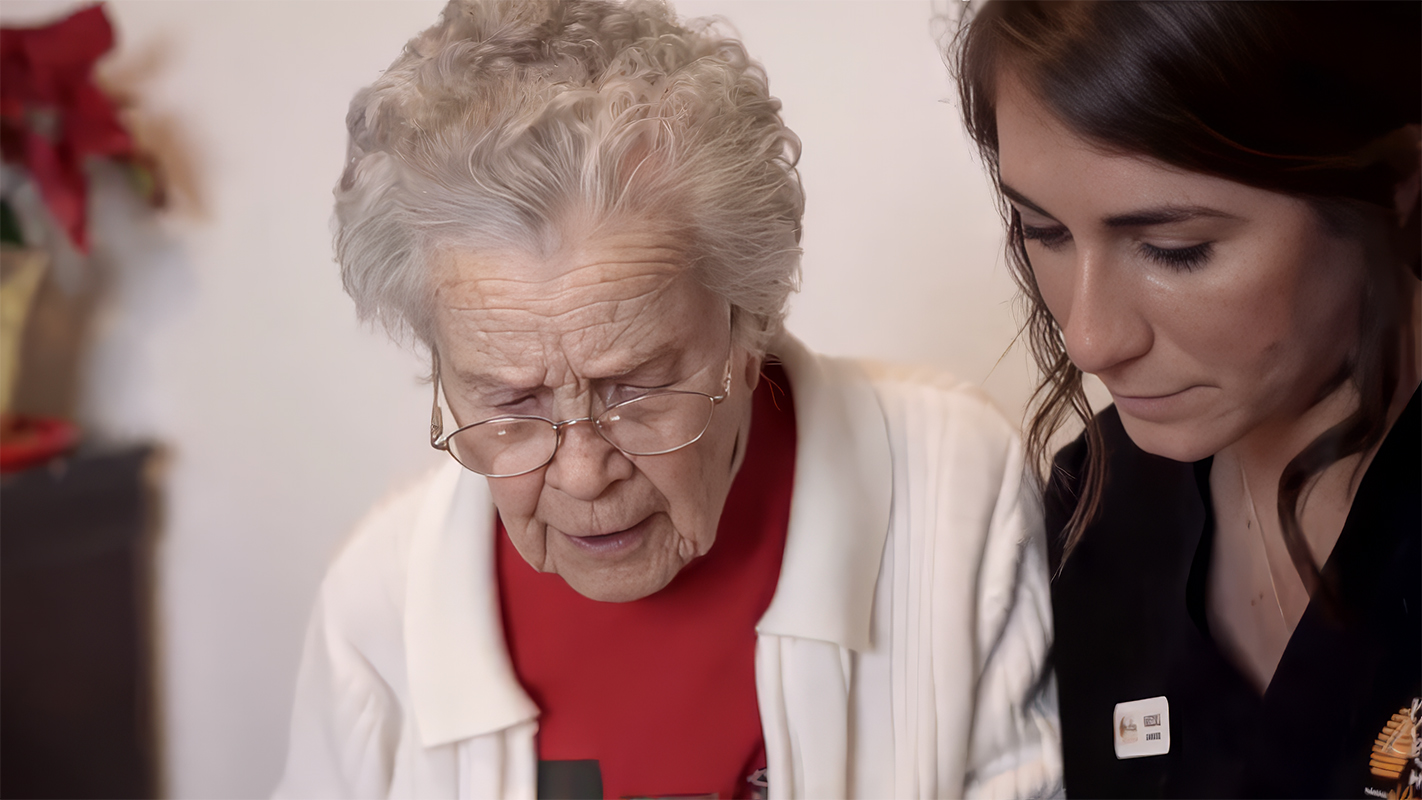
In numerous small homes, the very same caregiver is responsible for 2 to four homeowners at a time. Instead of hurrying from room to space, they help one resident at a speed that suits that individual. For somebody with arthritis or sophisticated Parkinson's disease, that slower rate can be the distinction in between sensation rushed and embarrassed, or appreciated and safe.
Meals inform a comparable story. Some small homes prepare household design, serving food on plates in the middle of the table and motivating citizens to help themselves as they are able. Smells from the cooking area function as natural triggers for cravings. Residents see components and preparation, which can be especially helpful for those in memory care, who often respond to sensory cues more than to verbal suggestions such as "It is time for lunch."
The function of memory care in smaller homes
Dementia changes how a person experiences the environment. Long corridors, echoing lobbies, complex layout, and continuously changing personnel can increase anxiety and confusion. For this reason, many families with a loved one who has Alzheimer's disease or another kind of dementia actively search for smaller environments.
In a small home that concentrates on memory care, the entire design tends to prefer simpleness and repetition. The bathroom is extremely near the bed room, and often visible from the bed. There are fewer doors to mistake for exits. Typical locations are within view of a lot of bed rooms, which makes peaceful visual guidance easier.
More important, familiar faces stay consistent. A resident with moderate dementia might not keep in mind a caregiver's name, but their brain acknowledges constant voice, posture, and regimen. When the same caretaker assists with morning care week after week, trust develops almost automatically. Resistance to bathing, a typical issue in dementia, typically declines when the interaction is foreseeable and respectful.
Of course, small size alone does not ensure great memory care. I have seen small homes that felt disorderly, with televisions blaring, alarms beeping, and staff using rushed or infantilizing language. Households ought to take note of tone, not simply numbers. Do staff kneel or sit to be at eye level with homeowners who are seated? Do they speak quietly, using homeowners' preferred names? Do they offer residents time to react, or do they constantly fill silences with chatter that may feel overwhelming?
On the other hand, some larger neighborhoods have actually specialized devoted memory care units that are well designed and well staffed. These units may use secure outdoor courtyards, structured programming, and on site therapists that a small home can not match. For some families, particularly when roaming or severe behavioral signs are present, a purpose constructed memory care wing within a larger building is the safer option.
Respite care and brief stays: testing before committing
One of the underused tools in senior care is respite care, especially in little home settings. Respite care refers to short term stays, frequently a couple of days to a few weeks, that give household caregivers relief or bridge brief shifts such as medical facility discharge.
When a household is uncertain whether a parent will endure a move from home, a quick respite stay in a small assisted living home can work as a live trial. It allows everybody to see how the older adult adapts to the rhythms of shared living without an immediate long term dedication. Staff discover the individual's choices and quirks. The family observes communication, tidiness, and responsiveness.
I remember a kid who cared for his mother with moderate dementia in the house for three years. He insisted she would "never ever accept strangers" taking care of her. After his unanticipated surgery, he unwillingly agreed to a 2 week respite care stay for her at a little residential home. She got here upset and tearful, clinging to his hand. The first 2 nights were challenging, with regular calls to the staff. By day 5, she was sitting at the dining table talking with another resident about their youth farms. At discharge, she called the caregiver by name and informed her she had actually made "new friends." 6 months later, after another health occasion for the kid, the family selected that very same home as her permanent house. Without the respite trial, they may never have considered it.
Short remains in a big center can work the exact same method, but the intimacy of a small home tends to make the change less plain for those who have actually lived in a single family house the majority of their lives.
What households worth most in small homes
Families who favor small home assisted living usually point out a combination of practical and emotional benefits.
Here is a concise contrast that often shows their experience:
- Visibility and access: In a little home, households frequently have direct contact number for lead caregivers or owners. They can visit your house and quickly see their loved one and talk to the person on duty. In bigger facilities, interaction might route through reception, then a nurse, then a caretaker, stretching reaction times and making it more difficult to get a clear image of everyday life. Consistency of staff: Caregivers in smaller sized homes often work longer shifts however fewer of them, for instance three 12 hour days per week. Residents see the same faces over and over. In large structures, staff projects can change everyday based on census and staffing needs, which can feel fragmented to somebody with cognitive decline. Individualized regimens: Morning and evening regimens, shower timing, favorite snacks, and individual routines are typically much easier to customize when there are 8 locals than when there are eighty. This matters for self-respect and for useful outcomes. A resident who always showered at night, for instance, may never ever adjust to a schedule that requires early morning baths. Quieter environment: Especially for individuals with hearing loss, anxiety, or dementia, noise and activity can be exhausting. Little homes often supply a calmer sensory environment. Even when tvs are on and meals are being prepared, the scale remains closer to what most people experienced in their own homes. Response to emergency situations: With less citizens, staff can typically respond quicker when someone calls out, attempts to get up from a chair, or reveals indications of distress. Rather of watching numerous corridors, a caregiver might have line of vision to the living room, dining area, and corridor simultaneously. That physical immediacy decreases the risk of unnoticed falls and extended waits.
None of these factors instantly exceed the advantages of a larger community, which might consist of a more comprehensive activity program, more transport alternatives, on website clinics, or physical treatment health clubs. Yet for lots of households, especially those whose loved one is currently fairly frail, the trade off favors intimacy over variety.
Risks and restrictions of little home assisted living
A truthful evaluation need to also acknowledge where small homes can fall short.
First, specialization is restricted. A little home may not have full-time nurses on staff, or might use a nurse just part-time or on call. When medical intricacy or unstable conditions exist, a bigger assisted living or knowledgeable nursing center with more robust scientific infrastructure might be safer.
Second, financial stability varies widely. Operating margins in little homes are tight. They depend heavily on maintaining near full tenancy. If a home loses a number of locals in a short span and can not change them, monetary tension can follow. Households must ask how long the home has stayed in business, whether it becomes part of a small group under the exact same ownership, and how they managed prior recessions such as the early months of the COVID 19 pandemic.
Third, guideline and oversight are only as effective as enforcement. While all certified settings, big and little, must meet state standards, smaller operations might fly under the radar of public attention. A large center with poor care often rapidly brings in online evaluations and media protection. Issues in a 6 bed residential home might remain undetectable outside of state inspection reports, which households seldom read. This makes onsite observation and relentless questioning much more important.
Fourth, end of life care can be both a strength and a challenge. Numerous little homes keep locals through hospice, enabling them to pass away in a familiar environment with staff who know them well. This connection has huge worth. Nevertheless, if symptoms are complex or require regular nursing intervention, the lack of continuous on site medical personnel may be a limitation. Coordination with home hospice companies becomes critical, and not all little homes handle that partnership equally well.
When a bigger setting may really be better
Despite the growing interest in small home assisted living, there are clear circumstances where a bigger neighborhood or even a competent nursing facility may offer better elderly care.
A highly social, cognitively undamaged older grownup may actually grow in a bigger community with dozens of peers, a complete activity calendar, lectures, trips, and clubs. For these people, the "buzz" of a huge campus is stimulating, not exhausting.
Complex medical requirements typically need more advanced facilities. Citizens who need frequent physician examination, routine laboratory work onsite, everyday injury care, or extensive rehab might be much better served in a setting that maintains 24 hour certified nursing, treatment departments, and quick access to diagnostic services.
Geography likewise matters. Urban and rural areas may provide numerous little residential homes. In backwoods, households often have just one or 2 local options, frequently bigger facilities that serve a broad catchment area. Even when a little home exists, it may be forty minutes from the family home, which complicates routine visits.
Lastly, personal preference counts. Some older grownups view small homes as "too much like dealing with complete strangers" and choose the house style self-reliance of a bigger facility, where they can shut their door and deal with the common spaces more like a hotel lobby than a living-room. Forcing a parent into a small home versus strong resistance can harm trust and result in ongoing conflict.
A useful checklist for evaluating a little home
Families typically ask how to separate a genuinely excellent small home from one that simply looks comfortable on a quick tour. A structured method helps.
Consider the following points throughout visits and discussions:
- Staff existence and interaction: Observe how caretakers talk to homeowners when they do not understand they are being seen. Do they deal with homeowners respectfully, by chosen names, and discuss what they are doing before they assist? Are citizens left alone for long stretches, or does staff existence feel steady but not intrusive? Cleanliness and safety: Look past the front room. Check bathrooms, behind doors, and corners. Are floorings free of clutter that could journey someone with a walker? Are grab bars, shower chairs, and non slip surfaces in place? Does your house smell clean without heavy scents that might mask odors? Care preparation and communication: Ask who finishes the initial assessment and how often it is updated. How are changes in condition interacted to households? Can staff discuss how they manage medications, falls, and common issues like urinary system infections or abrupt confusion? Staffing levels and training: Clarify the number of caregivers are on responsibility during days, evenings, and nights. Ask about their training in dementia care, emergency treatments, and safe transfers. Ask for how long the existing personnel have worked there. High turnover is a warning sign in any senior care setting, but especially in a little home, where every departure interferes with continuity. Relationships with outdoors service providers: Find out which physicians, home health companies, and hospice suppliers commonly visit the home. Homes with developed partnerships typically manage medical modifications more smoothly than those that scramble to arrange each new service.
Taking the time to ask these comprehensive concerns might feel uneasy, particularly for adult kids unused to inspecting care environments. Yet reliable operators invite such analysis, due to the fact that it shows that the family is engaged and serious about long term partnership.
The psychological side of selecting a little home
Every chart, list, and care plan eventually rests on psychological ground. Moving a parent or spouse out of their very long time home seems like crossing a line that can not be uncrossed. Regret, sorrow, and relief typically appear together, and it prevails for family members to disagree about the best path.
Small home assisted living changes the emotional formula in subtle ways. Strolling into an ordinary house with a lawn, mail box, and front door frequently feels less like "institutionalization" and more like a change of address. Adult children tell me they can envision themselves sitting at the exact same kitchen area table, sharing a cup of coffee with their parent. Grandchildren might feel less intimidated checking out a location that appears like every other house on the block.
For the older adult, the modification is still real. They are giving up control of their environment and accepting aid with intimate jobs. Yet when the day-to-day regimen consists of familiar household sounds, smells, and routines, the loss might feel less stark. I have seen homeowners assist fold towels at the dining table or water plants on the patio, activities that would be off limits or tightly managed in a larger center, yet are invited in little homes because they reinforce a sense of effectiveness and normalcy.
Families must acknowledge both the loss and the prospective gains. A parent might lose their precise bed room of thirty years, yet acquire a circle of mindful caretakers who see if they avoid dessert or appear more short of breath than usual. A spouse might sleep alone for the very first time in years, yet rest more deeply knowing that trained staff are awake and close-by throughout the night.
Pulling the threads together
Assisted living, in all its forms, sits at the crossway of housing, healthcare, and household dynamics. Little home assisted living represents a particular response to the concern of what elderly care ought to feel and look like: fewer citizens, more direct contact, and a slower, more personal rhythm.
It is not a magic solution. It works best for specific profiles: individuals who value peaceful over range, who need close supervision or memory support, and whose households want to stay actively included. It may not fit those who long for big social networks, extensive facilities, or on website clinical services readily available around the clock.
The wisest families do not begin with a category, such as "assisted living" or "memory care," and then attempt to require their loved one into that box. Instead, they start with the person: their history, health, routines, fears, and delights. They think about respite care to test presumptions. They tour both large neighborhoods and little homes with open eyes. They ask pointed concerns of administrators and frontline caregivers. They notice who appears at ease as they walk through the door, and who looks rushed or withdrawn.
Small home assisted living has actually grown in popularity because it lines up with something many people intuitively feel: vulnerability and intimacy are much better supported in spaces that feel like genuine homes, with a handful of committed caretakers, than in stretching complexes where performance typically drives design. For lots of households making senior care choices, that simple but profound distinction becomes the choosing aspect when it is time to select where their loved one will live the next chapter of life.
BeeHive Homes of Bosque Farms provides assisted living care
BeeHive Homes of Bosque Farms provides memory care services
BeeHive Homes of Bosque Farms provides respite care services
BeeHive Homes of Bosque Farms supports assistance with bathing and grooming
BeeHive Homes of Bosque Farms offers private bedrooms with private bathrooms
BeeHive Homes of Bosque Farms provides medication monitoring and documentation
BeeHive Homes of Bosque Farms serves dietitian-approved meals
BeeHive Homes of Bosque Farms provides housekeeping services
BeeHive Homes of Bosque Farms provides laundry services
BeeHive Homes of Bosque Farms offers community dining and social engagement activities
BeeHive Homes of Bosque Farms features life enrichment activities
BeeHive Homes of Bosque Farms supports personal care assistance during meals and daily routines
BeeHive Homes of Bosque Farms promotes frequent physical and mental exercise opportunities
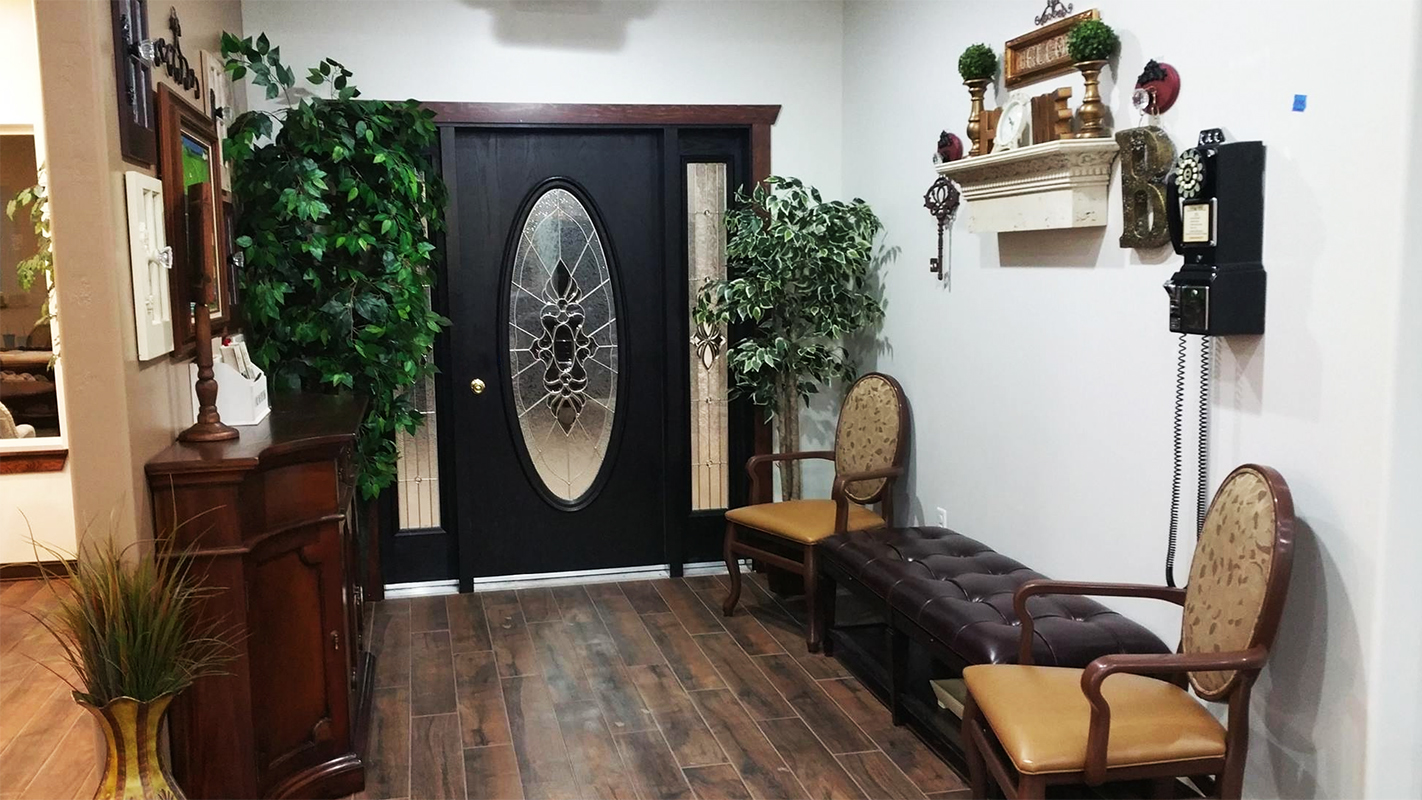
BeeHive Homes of Bosque Farms provides a home-like residential environment
BeeHive Homes of Bosque Farms creates customized care plans as residents’ needs change
BeeHive Homes of Bosque Farms assesses individual resident care needs
BeeHive Homes of Bosque Farms accepts private pay and long-term care insurance
BeeHive Homes of Bosque Farms assists qualified veterans with Aid and Attendance benefits
BeeHive Homes of Bosque Farms encourages meaningful resident-to-staff relationships
BeeHive Homes of Bosque Farms delivers compassionate, attentive senior care focused on dignity and comfort
BeeHive Homes of Bosque Farms has a phone number of (505) 357-0505
BeeHive Homes of Bosque Farms has an address of 1935 Bosque Farms Blvd, Bosque Farms, NM 87068
BeeHive Homes of Bosque Farms has a website https://beehivehomes.com/locations/bosque-farms/
BeeHive Homes of Bosque Farms has Google Maps listing https://maps.app.goo.gl/VeA8p86Gp4TSGBN7A
BeeHive Homes of Bosque Farms has Facebook page https://www.facebook.com/BeehiveHomesBosqueFarms
BeeHive Homes of Bosque Farms won Top Assisted Living Homes 2025
BeeHive Homes of Bosque Farms earned Best Customer Service Award 2024
BeeHive Homes of Bosque Farms placed 1st for New Mexico Senior Living Communities 2025
People Also Ask about BeeHive Homes of Bosque Farms
What is the monthly room rate at BeeHive Homes of Bosque Farms?
Monthly room rates are based on each resident’s individual care needs. Before move-in, we complete an initial evaluation to better understand the level of support, assistance, and daily care that may be needed. This helps us provide a clear monthly rate that reflects the resident’s personalized care plan. We believe families deserve honest conversations and transparent pricing, with no hidden costs or surprise fees.
Can residents stay at BeeHive Homes of Bosque Farms through the end of life?
In many cases, yes. Our goal is to help residents remain in the comfort of a familiar, homelike setting for as long as their needs can be safely and appropriately met. There may be exceptions if a resident requires a higher level of skilled nursing care, ongoing medical treatment beyond assisted living services, or if safety concerns arise. When those moments come, we work with families, physicians, and care partners to help guide the next step with compassion and clarity.
Does BeeHive Homes of Bosque Farms have a nurse on staff?
BeeHive Homes of Bosque Farms does not have a full-time nurse living on-site, but we do have access to a consulting nurse. If a resident needs additional nursing services, a physician may order home health services to come directly into the home. This allows residents to receive supportive care in a comfortable residential environment while still having access to outside clinical services when appropriate.
What are the visiting hours at BeeHive Homes of Bosque Farms?
We welcome family visits and understand how important it is for residents to stay connected with the people they love. Visiting hours are flexible and are adjusted around the needs of each resident and family. We simply ask that visits be respectful of residents’ routines, rest, meals, and the peaceful rhythm of the home — not too early, not too late, and always centered on what is best for the resident.
Are couples’ rooms available at BeeHive Homes of Bosque Farms?
Yes, BeeHive Homes of Bosque Farms may have rooms designed to accommodate couples, depending on availability. For many couples, staying together while receiving the right level of assisted living support can bring comfort, familiarity, and peace of mind. We encourage families to ask about current room options, availability, and how care plans can be personalized for each spouse.
What makes BeeHive Homes of Bosque Farms different from larger assisted living facilities near Albuquerque?
BeeHive Homes of Bosque Farms offers care in a smaller, residential-style setting rather than a large institutional facility. Nestled in the quiet village of Bosque Farms, just south of Albuquerque, our homes are designed to feel personal, peaceful, and familiar. Residents receive support with daily needs in a setting where caregivers can truly get to know their routines, preferences, and personalities. For families looking for assisted living near Albuquerque with a more intimate, homelike feel, BeeHive Homes of Bosque Farms offers a comforting alternative.
Is BeeHive Homes of Bosque Farms a good option for families in Los Lunas, Peralta, Belen, and Albuquerque?
Yes. BeeHive Homes of Bosque Farms is conveniently located in Valencia County and serves families throughout Bosque Farms, Los Lunas, Peralta, Belen, and the greater Albuquerque area. Its location on Bosque Farms Boulevard offers families a peaceful village setting while still being close enough for regular visits, appointments, and family involvement. For many families, that balance of quiet surroundings and nearby access makes BeeHive Homes of Bosque Farms a natural choice for assisted living and memory care.
Where is BeeHive Homes of Bosque Farms located?
BeeHive Homes of Bosque Farms is conveniently located at 1935 Bosque Farms Blvd, Bosque Farms, NM 87068. You can easily find directions on Google Maps or call at (505) 357-0505 Monday through Sunday 9:00am to 5:00pm
How can I contact BeeHive Homes of Bosque Farms?
You can contact BeeHive Homes of Bosque Farms by phone at: (505) 357-0505, visit their website at https://beehivehomes.com/locations/bosque-farms/ or connect on social media via Facebook
Residents may take a trip to the Valencia County Fair Grounds. Valencia County Fair Grounds offer open space suitable for assisted living, memory care, senior care, elderly care, and respite care strolls.